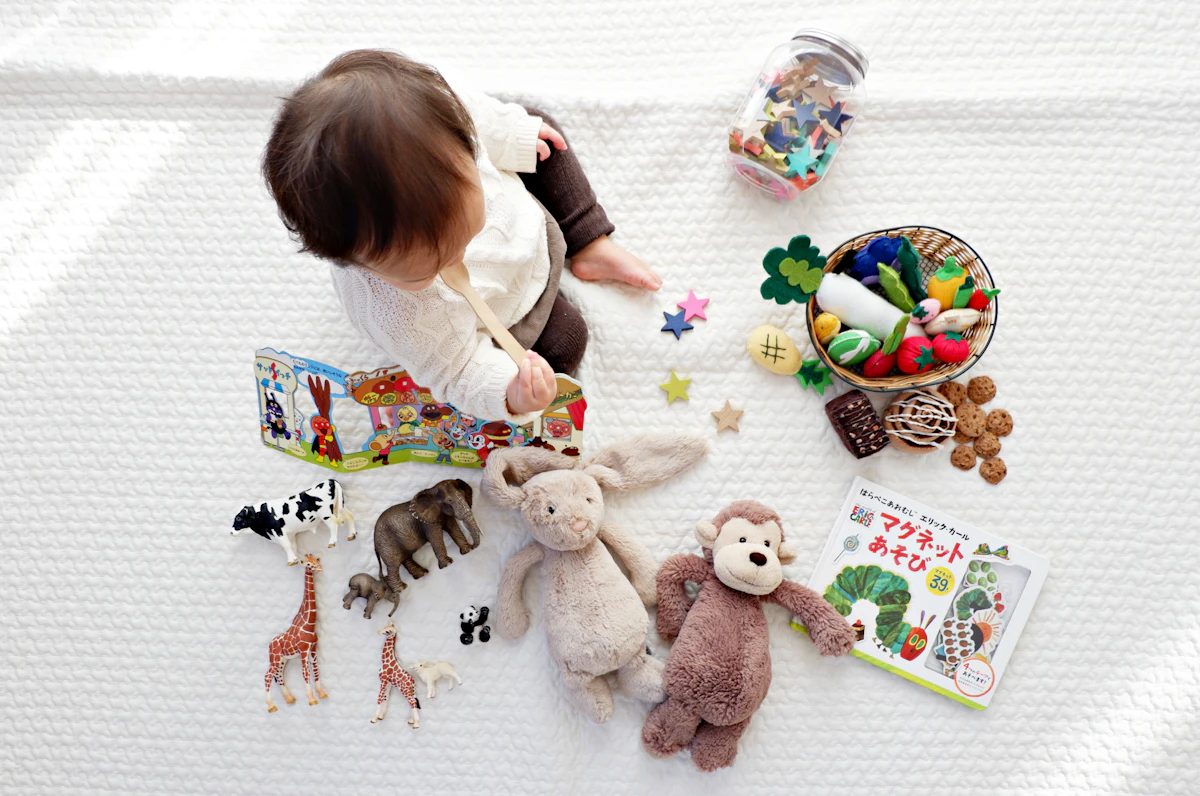
Tummy time is one of those milestones that feels both exciting and nerve‑wracking—you want your baby to build strength, but you also want every surface they touch to be as safe and gentle as possible. Marketing around “non‑toxic” play mats can be overwhelming, so let’s sort the science from the slogans in a calm, evidence‑based way.
The Best Non-Toxic Play Mats for Tummy Time use stable, low‑emission materials like natural rubber, organic cotton, or high‑quality EVA foam that meets strict safety standards. Look for mats free from PVC, phthalates, heavy metals, and strong chemical odors, and verify claims using tools like the Duckie App to scan ingredients before you buy.
Understanding the Science
When we talk about The Best Non-Toxic Play Mats for Tummy Time, we’re really talking about three main safety questions:
- What is the mat made of?
- Does it off‑gas harmful chemicals?
- How easy is it to keep clean and mold‑free?
Common materials you’ll see
Most play mats fall into a few material categories:
-
PVC (vinyl)
Often soft and colorful, but can contain plasticizers (phthalates) and stabilizers (lead, cadmium) if not carefully regulated.[1] -
EVA foam
A soft, puzzle‑style foam. High‑quality EVA can be free of formamide and phthalates, but cheaper versions may have residual chemicals.[1] -
Polyurethane foam
Found in some padded mats; may off‑gas volatile organic compounds (VOCs) depending on formulation and flame retardants used.[1] -
Natural rubber or cork
Generally low‑VOC and durable. May have a natural smell but typically less concerning than synthetic plasticizers.[1] -
Organic cotton or fabric mats
Softer and breathable; safety depends on dyes, waterproof coatings, and whether there are added flame retardants.[1]
Scientific and regulatory bodies focus on phthalates, heavy metals, flame retardants, and VOCs when assessing child product safety.[1] Choosing The Best Non-Toxic Play Mats for Tummy Time means minimizing exposure to these while still keeping your baby comfortable.
Why “non‑toxic” claims can be confusing
“Non‑toxic” is not a strictly regulated marketing term in many regions.[1] A mat might be labeled non‑toxic because:
- It meets a specific standard (like a toy safety regulation).
- It is free of one chemical (for example, phthalates) but still contains others.
- It uses materials with low expected emissions, even if not tested in detail.
That’s where ingredient scanning tools and trusted certifications can help.
Certifications and standards to look for
While labels vary by country, many safer play mats reference standards such as:
- EN 71 / ASTM toy safety standards – Check for limits on heavy metals and certain chemicals.[1]
- OEKO‑TEX Standard 100 – For textiles, meaning independent tests for harmful substances.[1]
- Certifications for low VOC emissions – Indicate reduced off‑gassing into indoor air.[1]
These don’t guarantee perfection, but they make it more likely that The Best Non-Toxic Play Mats for Tummy Time have been checked for key chemical risks.
Comparing Common Play Mat Materials
Here’s a simplified look at typical pros and cautions. Always verify specific products, as formulations vary widely.[1]
| Material | Potential Benefits | Main Safety Considerations |
|---|---|---|
| PVC (vinyl) | Waterproof, easy to wipe | Possible phthalates, heavy metals, VOCs[1] |
| EVA foam | Soft, cushioned, popular for puzzles | Ensure formamide‑free, low VOCs[1] |
| Polyurethane foam | Very cushioned, carpet‑like | Check flame retardants, VOCs[1] |
| Natural rubber / cork | Durable, low‑VOC, more “natural” | Watch for latex allergy, strong natural odor[1] |
| Organic cotton/fabric | Breathable, gentle on skin | Dyes, waterproof coatings, mold risk if damp[1] |
The Best Non-Toxic Play Mats for Tummy Time often combine organic fabric with a safer foam or rubber base, aiming for both comfort and lower chemical exposure.
Safety Explained: What Really Matters for Your Baby
For most families, the biggest realistic risks with play mats are:
- Chronic low‑level chemical exposure (from VOCs, phthalates, flame retardants) in the home environment over time.[1]
- Mold or bacteria growth if mats stay damp or aren’t cleaned regularly.[1]
- Choking hazards from peeling pieces or damaged foam.[1]
Current scientific consensus suggests that reducing total environmental exposure to endocrine‑disrupting chemicals (like certain phthalates) and unnecessary flame retardants is a reasonable precaution in early childhood, while avoiding alarmism.[1] Choosing The Best Non-Toxic Play Mats for Tummy Time is one low‑stress way to contribute to that overall reduction.
Importantly, tummy time itself is highly beneficial—it supports motor development, neck and shoulder strength, and helps prevent positional flattening of the head.[1] A supportive mat that makes parents feel comfortable tends to mean more consistent tummy time, which is good for your baby.
Tips for Parents
When you’re evaluating The Best Non-Toxic Play Mats for Tummy Time, use this simple checklist:
-
Smell test
If the mat has a strong chemical odor that doesn’t fade after a few days of airing out, consider returning it.[1] -
Check materials on the label
Prefer mats that clearly list materials (e.g., “EVA foam, formamide‑free; phthalate‑free PVC; organic cotton cover”). Vague terms like “eco‑friendly” are not enough on their own.[1] -
Look for third‑party testing
Certifications like OEKO‑TEX for textiles or references to toy safety standards suggest extra scrutiny.[1] -
Avoid damaged or crumbling foam
Replace mats that shed pieces or have deep cracks—this is more of a choking and ingestion risk than a chemical one.[1] -
Clean routinely
Wipe waterproof mats with a mild, baby‑safe cleaner and allow them to dry fully. Fabric mats should be washable or have removable covers to reduce dust, allergens, and microbes.[1] -
Rotate surfaces
You don’t need a mat for every moment of tummy time—rotating between a firm mattress, blanket on the floor, and a play mat can reduce continuous exposure to one material.[1] -
Use tools to verify claims
Marketing terms can be confusing. Use the Duckie App to scan labels and ingredients so you can see a clear breakdown of potential concerns instead of guessing.
Duckie’s Verdict: Is it safe?
For most families, a well‑chosen play mat is safe and beneficial for tummy time, especially when you pay attention to material transparency, odor, and basic maintenance.[1] There is no need to panic about every synthetic material, but it is reasonable to:
- Prefer mats free from PVC and phthalates when possible.[1]
- Choose products with clear testing or certifications.[1]
- Replace visibly degraded or smelly mats.
Overall verdict: Yes—with thoughtful selection and routine cleaning, non‑toxic play mats are a safe, practical choice for supporting tummy time.
Unsure about other ingredients? Download the Duckie App to scan instantly.
FAQ
Are foam puzzle mats safe for tummy time?
High‑quality EVA foam puzzle mats can be safe if they’re formamide‑free, low‑VOC, and meet toy safety standards. Check for certifications, avoid strong chemical odors, and replace any pieces that start to crumble or peel.[1]
Do I need an organic play mat for my baby?
Not necessarily. Organic fabrics can reduce certain exposures, but a non‑organic mat with clear material disclosure, low VOCs, and phthalate‑free construction can also be a safe choice for tummy time.[1]
How can I tell if my play mat is truly non‑toxic?
Look for specific claims like “phthalate‑free,” “formamide‑free,” and references to safety standards or certifications, rather than vague “eco‑friendly” language. Use the Duckie App to scan labels for a more detailed safety breakdown.[1]
Is it okay to use second‑hand play mats?
Yes, if the mat is intact, easy to clean, and from a trusted brand. Avoid mats with peeling foam, unknown materials, or strong odors, and clean thoroughly before use.[1]

Not sure about an ingredient?
Scan a supported baby-product barcode for Duckie's proprietary ingredient score and plain-language context. Free on iOS.
Download Free on iOSHow this article was made
This article was prepared with AI assistance and edited by Duckie. Sources are listed with the article, but source quality can vary. It has not been medically reviewed unless a named clinician reviewer is shown. Please verify health decisions with a qualified professional.
Medical disclaimer
This content is for informational purposes only and does not constitute medical advice. Always consult a qualified healthcare provider for guidance specific to your child.
See Duckie's editorial policy and scoring methodology.